

Table of Contents
- Understanding Inflammation: Acute vs. Chronic
- Foods That Fight Inflammation: What to Eat
- Building an Anti-Inflammatory Diet
- Drinks That Reduce Inflammation
- How to Reduce Inflammation in 7 Days: A Starter Plan
- Lifestyle Habits That Support Inflammation Reduction
- When to Seek Professional Guidance
- Frequently Asked Questions
Last Updated: October 11, 2026
Understanding Inflammation: Acute vs. Chronic
Inflammation is your body’s natural response to injury or infection. Your immune system triggers swelling, redness, and warmth to protect and heal the area. Acute inflammation shows up quickly and resolves within days to weeks once the threat passes. (Source: Statista’s 2026 report on chronic disease prevalence)
Common causes of acute inflammation include:
- Cuts, sprains, or fractures
- Infections (bacterial, viral, or fungal)
- Burns or surgical procedures
- Insect bites or allergic reactions
Chronic Inflammation: The Silent Problem
Chronic inflammation lingers for weeks, months, or years, keeping your body in constant alert and damaging healthy tissue. It’s linked to joint pain, fatigue, brain fog, digestive issues, skin problems, and serious conditions like heart disease and type 2 diabetes.
Common causes of chronic inflammation include:
- Autoimmune conditions (rheumatoid arthritis, lupus, celiac disease)
- Metabolic syndrome and obesity
- Chronic stress and poor sleep
- Sedentary lifestyle
When to Seek Medical Evaluation
Persistent inflammation symptoms warrant professional assessment, especially if:
- Joint pain, swelling, or stiffness lasts more than 6 weeks without improvement
- You experience unexplained fatigue that interferes with daily activities
- Skin conditions (eczema, psoriasis, acne) worsen or don’t respond to home care
- You have digestive symptoms (bloating, diarrhea, constipation) lasting weeks
A healthcare provider can order blood tests to measure inflammatory markers like C-reactive protein (CRP) and erythrocyte sedimentation rate (ESR), and rule out underlying conditions that require treatment beyond diet. Some inflammatory diseases need medication to prevent permanent tissue damage, and dietary changes alone are not sufficient.
The Role of Diet and Lifestyle
For mild to moderate chronic inflammation, diet and lifestyle modifications can reduce symptoms and inflammatory markers significantly. These changes typically take 4-8 weeks to show measurable results in blood work. Setting realistic expectations helps you stay consistent.
Foods That Fight Inflammation: What to Eat
Certain foods contain compounds that calm your immune system and reduce inflammatory markers.
Fruits, Vegetables, and Leafy Greens
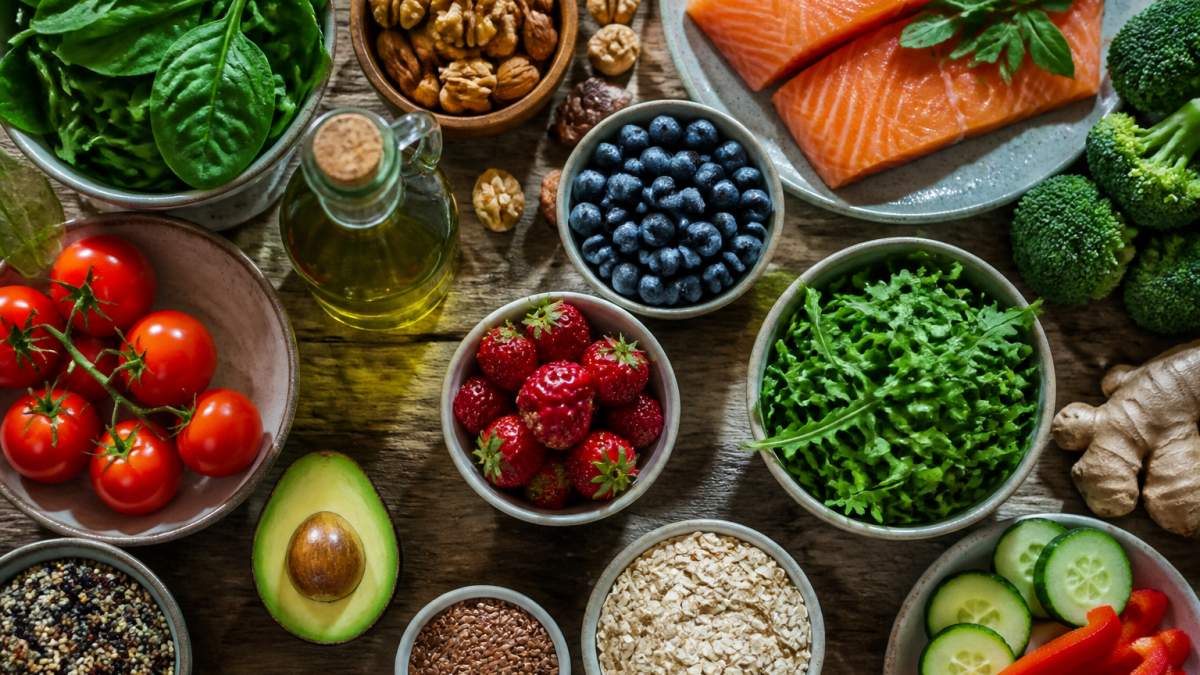
Colorful produce is packed with antioxidants and polyphenols that fight inflammation. Leafy greens like spinach, kale, and arugula are anti-inflammatory powerhouses loaded with protective vitamins.
Tomatoes contain lycopene, which reduces inflammatory markers. Berries (blueberries, strawberries, raspberries) are among the most potent anti-inflammatory fruits available.
Other vegetables that help reduce inflammation include:
- Bell peppers (especially red and yellow)
- Broccoli and Brussels sprouts
- Carrots and sweet potatoes
- Beets and cabbage
Fill half your plate with colorful vegetables at lunch and dinner.
Whole Grains, Fiber, and Legumes
Whole grains and high-fiber carbohydrates reduce inflammation by feeding beneficial gut bacteria, which directly affects your immune system.
Switch from refined carbs to whole grains:
- Brown rice instead of white rice
- Whole wheat bread instead of white bread
- Oats instead of instant cereal
- Quinoa and farro
Legumes like beans, lentils, and chickpeas are packed with fiber and plant-based protein, proven to lower inflammatory markers. Aim for at least one serving daily.
Healthy Fats and Omega-3 Fatty Acids
Healthy fats, especially omega-3 fatty acids, actively reduce inflammation in your body.
Fatty fish like salmon, mackerel, sardines, and herring are loaded with omega-3s. Eat them two to three times per week.
Other sources of healthy fats include:
- Olive oil, use it for salads and low-heat cooking
- Nuts and seeds, almonds, walnuts, flaxseeds, chia seeds
- Avocados, rich in monounsaturated fat
- Coconut oil, use sparingly for higher-heat cooking
Plant-Based and Lean Protein
Plant-based and lean protein options reduce inflammation better than processed meats.
Best protein sources:
- Fish and seafood (especially fatty fish)
- Chicken and turkey (skinless)
- Eggs
- Greek yogurt and cottage cheese
Limit red meat and avoid processed meats like bacon, sausage, and deli meat, which trigger inflammatory responses. Choose lean cuts and keep portions small.
Building an Anti-Inflammatory Diet
Start by adding anti-inflammatory foods rather than eliminating. Week 1: Add one vegetable serving daily and swap one refined grain for whole grain. Week 2: Add healthy fat to each meal. Week 3: Include fatty fish or plant-based protein twice weekly. Week 4: Replace one sugary drink with water or herbal tea. This gradual approach builds sustainable habits and crowds out inflammatory foods naturally.
Drinks That Reduce Inflammation
Drinks that reduce inflammation support your body’s natural healing process.
Best anti-inflammatory beverages:
- Water, stay hydrated; aim for half your body weight in ounces daily
- Green tea, contains EGCG, a powerful anti-inflammatory compound
- Herbal teas, ginger, turmeric, and chamomile all reduce inflammation
- Coffee, moderate amounts have anti-inflammatory benefits
Limit or avoid:
- Sugary sodas and energy drinks
- Alcohol (especially in excess)
- High-sugar juices
- Sweetened coffee drinks
Hydration is foundational. Drinking enough water alone can reduce inflammation and improve how you feel. (Source: National Institutes of Health (NIH) research on omega-3 fatty acids)
How to Reduce Inflammation in 7 Days: A Starter Plan
This plan gives you a concrete starting point. It’s not about perfection, it’s about building momentum.
Days 1-3: Eliminate Inflammatory Foods
Focus on removing the biggest inflammatory triggers:
Day 1:
- Breakfast: Oatmeal with berries and almonds
- Lunch: Grilled chicken with steamed broccoli and brown rice
- Dinner: Baked salmon with roasted vegetables
- Snack: Apple with almond butter
Day 2:
- Breakfast: Greek yogurt with walnuts and blueberries
- Lunch: Spinach salad with olive oil dressing, chickpeas, and tomatoes
- Dinner: Turkey and vegetable stir-fry with brown rice
- Snack: Carrot sticks with hummus
Day 3:
- Breakfast: Eggs with whole grain toast and avocado
- Lunch: Lentil soup with a side salad
- Dinner: Grilled fish with sweet potato and green beans
- Snack: Handful of walnuts and berries
Days 4-7: Add Anti-Inflammatory Foods and Habits
Now that you’ve removed inflammatory foods, add supportive habits:
Days 4-7 additions:
- Drink herbal tea twice daily (ginger or turmeric)
- Add a 20-minute walk after dinner
- Eat fatty fish at least once
- Include leafy greens at two meals daily
By day 7, you’ll likely notice less bloating, clearer skin, more stable energy, and reduced joint stiffness.
Track how you feel each day, energy levels, joint pain, digestion, sleep quality. Written progress is powerful motivation. Many people see noticeable improvements within 7-14 days of consistent anti-inflammatory eating.
Lifestyle Habits That Support Inflammation Reduction
Natural ways to reduce inflammation include movement, sleep, and stress management. Physical activity reduces inflammatory markers; moderate exercise like walking, swimming, or yoga for 150 minutes weekly works well. Sleep is essential for repair; target 7-9 hours nightly. Stress management through deep breathing, meditation, nature time, or hobbies reduces chronic inflammation. Weight management of even 5-10% loss significantly lowers inflammatory markers.
Inflammation reduction isn’t about one perfect meal or one perfect day, it’s about consistent choices that stack over time. Small daily decisions compound into major health shifts.
When to Seek Professional Guidance
Most people see improvement from diet and lifestyle changes alone, but some situations need professional assessment.
Timeline Expectations and Evidence Strength
Not all anti-inflammatory claims are equally supported. Here’s what the evidence shows:
Well-supported strategies (expect results in 4-8 weeks):
- Eating more vegetables, whole grains, and fish: Strong evidence from large studies shows reduced inflammatory markers (CRP, IL-6) and symptom improvement
- Regular moderate exercise: Consistent evidence for reduced inflammation within 6-12 weeks
- Weight loss of 5-10%: Proven to lower inflammatory markers, especially in people with obesity
- Adequate sleep (7-9 hours): Strong link to reduced inflammation, though benefits take weeks to accumulate
Emerging or mixed evidence (results vary by individual):
- Turmeric and curcumin supplements: Some studies show benefit, but absorption is poor without black pepper; effects are modest and inconsistent
- Intermittent fasting: Early research is promising, but long-term safety and effectiveness need more study
- Elimination diets (removing nightshades, grains, or dairy): Help some people, but lack broad scientific support; work best under professional guidance
- Specific herbal teas: Ginger and green tea show anti-inflammatory compounds in lab studies, but human evidence is limited
Limited or unproven claims:
- Alkaline water: No credible evidence it reduces inflammation
- Detox diets or cleanses: Not supported by science; your liver and kidneys handle detoxification
- Colloidal silver or other alternative remedies: Potentially harmful; avoid without medical supervision
Most people notice changes in energy, digestion, or bloating within 1-2 weeks, but blood markers and joint pain may take 6-12 weeks to improve.
Supplements, Medication Interactions, and Safety
Dietary supplements are not regulated by the FDA the way medications are (the FDA). Quality, purity, and potency vary widely between brands. Before adding supplements, understand the risks:
Common anti-inflammatory supplements and cautions:
- Omega-3 fish oil: Can thin blood; avoid or discuss with your doctor if you take blood thinners (warfarin, aspirin, clopidogrel) or have bleeding disorders
- Turmeric/curcumin: May interfere with blood sugar medications and blood thinners; can cause stomach upset in high doses
- Ginger: Can increase bleeding risk with anticoagulants; may lower blood sugar
- Vitamin D: Essential for immune function, but excess intake can cause toxicity; get blood levels checked before supplementing heavily
Major dietary changes require medical discussion if you:
- Take blood thinners or anticoagulants
- Have diabetes or take blood sugar medications
- Have kidney disease or liver disease
- Take immunosuppressants (for autoimmune conditions or after transplant)
- Are pregnant or breastfeeding
Your doctor or a registered dietitian can identify interactions and adjust your plan safely.
Understanding Inflammatory Markers and Their Limits
If your doctor orders blood work, you may see these markers:
- C-reactive protein (CRP): The most common marker; measures inflammation system-wide. Normal is below 3 mg/L, but a single test cannot diagnose the cause. Levels rise with infection, stress, poor sleep, and other factors unrelated to diet.
- Erythrocyte sedimentation rate (ESR): Older test; less specific than CRP but sometimes used alongside it
- Interleukin-6 (IL-6) and TNF-alpha: Research markers; not routinely tested in primary care but used in studies
- Homocysteine: Amino acid linked to inflammation and heart disease; can be lowered with B vitamins and folate
Important limitations: A single elevated marker does not diagnose inflammation or its cause. Normal markers do not rule out inflammation. Markers fluctuate based on sleep, stress, and infection. Your doctor should interpret results in context of your symptoms, medical history, and other tests.
When Professional Assessment Is Essential
Talk to a healthcare provider if:
- Inflammation symptoms persist after 4-6 weeks of consistent dietary and lifestyle changes
- You experience joint swelling, redness, or warmth that doesn’t improve
- Chronic pain interferes with daily activities or sleep
- You’re taking medications and considering major dietary shifts (especially blood thinners, diabetes medications, or immunosuppressants)
- You have autoimmune conditions, inflammatory diseases, or a family history of them
A qualified healthcare provider, such as a physician, rheumatologist, or registered dietitian, can run appropriate tests, rule out serious conditions, and create a personalized plan that combines diet, lifestyle, and medical treatment if needed. Some inflammatory diseases require medication to prevent permanent damage, and dietary changes alone are insufficient.
Avoid making extreme dietary changes without guidance if you have diabetes, heart disease, kidney disease, autoimmune conditions, or take blood thinners. These conditions require medical supervision when changing your diet significantly. Do not stop medications without your doctor’s approval.
Frequently Asked Questions
How long does it take for an anti-inflammatory diet to work?
Most people notice changes within 2-4 weeks of consistently following an anti-inflammatory diet, though individual results vary. Some experience reduced joint pain or improved energy sooner, while others see benefits in skin quality or digestion first. Chronic inflammation took time to develop, so patience is important. Combining dietary changes with regular physical activity, adequate sleep, and stress management typically accelerates results.
What’s the strongest natural anti-inflammatory food?
Fatty fish rich in omega-3 fatty acids (salmon, sardines, mackerel) and leafy greens (spinach, kale) are among the most potent. Turmeric and ginger also contain powerful compounds that reduce inflammatory response. However, no single food is a cure, the anti-inflammatory diet works through the combined effect of whole-food choices, dietary fiber, healthy fats, and limiting processed foods and added sugar.
Can I reduce inflammation in just 7 days?
You can make significant dietary and lifestyle changes in 7 days that reduce inflammatory markers and help you feel better, but lasting results require consistency beyond that week. A 7-day starter plan eliminates processed foods and introduces anti-inflammatory foods, which many people notice as reduced bloating, clearer skin, or better energy. However, chronic inflammation management is a longer-term commitment to sustainable eating patterns and habits.
What should I avoid if I’m trying to reduce inflammation?
Limit processed foods, added sugar, refined carbohydrates, deep-fried foods, and foods high in saturated fat. Alcohol intake should be moderate. These foods trigger inflammatory response and undo the benefits of anti-inflammatory choices. Focus on whole-food options instead: nutrient-dense foods like vegetables, whole grains, nuts, seeds, and lean protein. Reading labels helps identify hidden added sugars and refined ingredients.
