
Table of Contents
- What Is Ionized Alkaline Water and How Does Electrolysis Work
- Understanding pH, Alkalinity, and Your Body’s Acid-Base Balance
- Electrolyzed Reduced Water and Antioxidant Claims
- Alkaline Water and Acid Reflux: What the Evidence Shows
- Alkaline Water Hydration and Exercise Recovery
- Alkaline Water Side Effects and Safety Considerations
- The Bottom Line: Evidence, Cost, and Practical Considerations
- Frequently Asked Questions
Last Updated: October 12, 2026
What Is Ionized Alkaline Water and How Does Electrolysis Work
Ionized alkaline water is water treated through electrolysis to raise its pH and alter its molecular structure.
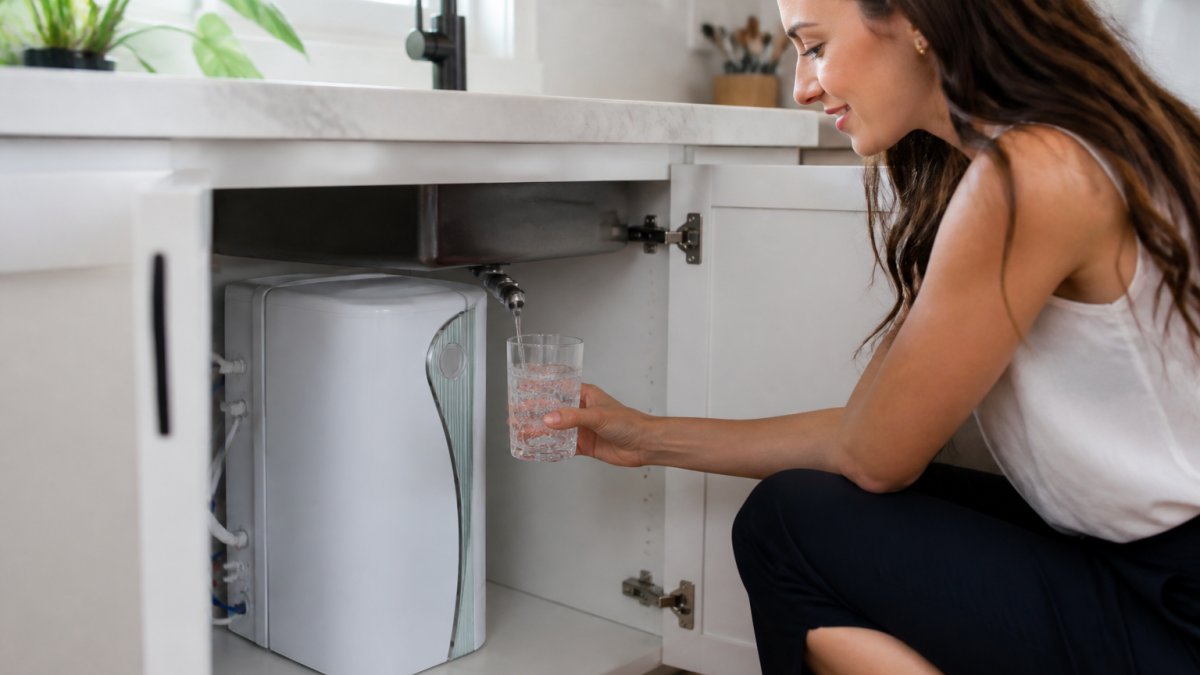
Electrolysis separates water into two streams: one alkaline (rich in hydroxide ions), which you drink, and one acidic. The process also lowers the water’s oxidation-reduction potential (ORP), theoretically boosting antioxidant capacity.
Inside a water ionizer, tap water passes through a chamber where electrical plates create an ionic field. Some ionizers also add electrolytes, which supporters claim enhances hydration.
Ionized alkaline water differs from bottled alkaline waters, which simply add minerals to raise pH without electrolysis.
Understanding pH, Alkalinity, and Your Body’s Acid-Base Balance
Your body maintains blood pH around 7.35 to 7.45, a narrow range critical for enzyme function, oxygen transport, and cellular metabolism.
Claims about ionized alkaline water often overstate the evidence. Drinking it will not “alkalinize” your body or shift blood pH, your digestive system and kidneys regulate blood pH independent of dietary intake.
Some researchers suggest mineral-rich alkaline water with electrolytes might support the body’s buffering capacity during or after intense physical activity, not change baseline pH. The evidence is preliminary and mixed.
What matters more is hydration itself: staying hydrated supports every metabolic process regardless of pH. The electrolytes in ionized alkaline water, potassium, calcium, magnesium, may offer hydration benefits similar to other mineralized waters.
Electrolyzed Reduced Water and Antioxidant Claims
Electrolyzed reduced water (ERW) is the technical name for what marketers call ionized alkaline water. “Reduced” refers to oxidation-reduction potential (ORP), measured in millivolts (mV): a positive ORP means the liquid tends to oxidize other molecules, a negative ORP means it tends to reduce them, the chemical definition of an antioxidant.
Typical U.S. tap water reads +200 to +500 mV on a standard ORP meter; freshly produced ERW from a quality ionizer often reads roughly -200 to -800 mV, depending on source water, mineral content, flow rate, and how recently it was drawn. That negative reading is the entire basis of the antioxidant claim.
What Actually Drives the Negative ORP
The negative ORP in freshly electrolyzed water is driven primarily by dissolved hydrogen gas (H₂), not elevated pH. At the cathode, water molecules split and hydrogen gas is generated in dissolved form, that dissolved H₂ is what researchers study as the plausible bioactive agent. pH alone does not neutralize free radicals; baking soda raises pH without producing any hydrogen.
Dissolved hydrogen is volatile and off-gasses over time. A glass of ERW left out overnight can lose most of its negative ORP by morning even though pH stays elevated, which is why manufacturers emphasize drinking it fresh, and why bottled “alkaline water” on a shelf for months lacks the ORP profile of a home electrolysis unit.
What the Human Evidence Actually Shows
Laboratory and animal studies on hydrogen-rich water are interesting: rodent models show reduced oxidative stress markers, and cell-culture work shows dissolved H₂ can scavenge specific reactive oxygen species. But the leap to a human drinking a glass of ionized water is large, and human literature remains thin.
A handful of small human trials, often 20 to 50 participants, short in duration, sometimes manufacturer-funded, report modest reductions in markers like blood lactate after exercise or mild improvements in self-reported recovery. Effect sizes are small and independent replication is limited; no large, independently funded randomized controlled trial shows ERW prevents disease or extends lifespan.
How to Read an ORP Meter Without Being Fooled
To evaluate a water ionizer’s output, use an ORP meter, not a pH strip alone:
- Measure within seconds of dispensing; ORP drifts quickly as hydrogen off-gasses.
- Measure at the same temperature each time; ORP readings shift with temperature.
- A negative ORP reading tells you the water is reducing in a beaker, not what happens once it hits stomach acid.
- Cheap ORP meters drift and need calibration; an uncalibrated pen proves nothing.
A negative ORP reading is a real, measurable property of freshly electrolyzed water. Whether that property translates into antioxidant benefit inside the human body is a separate question that current human evidence does not answer convincingly. Treat ORP as a quality-control metric for the device, not as proof of a health outcome.
Your body already runs a sophisticated antioxidant system, superoxide dismutase, catalase, glutathione peroxidase, plus antioxidants from foods like berries, leafy greens, and nuts. Whether hydrogen-rich water adds meaningfully to that system is an open question, not an established fact.
Alkaline Water and Acid Reflux: What the Evidence Shows
One of the most commonly cited benefits of ionized alkaline water is acid reflux relief. The theory: if reflux causes discomfort, alkaline water could neutralize stomach acid and reduce symptoms. Some studies have investigated this with cautiously positive results.
Human studies are sparse. A few observational studies suggest reflux sufferers report improvement after drinking alkaline water, but these lack control groups and cannot prove causation, symptoms fluctuate naturally, and improvement could reflect placebo, dietary changes, or timing.
Evidence-based reflux treatments include avoiding triggers like spicy foods and caffeine, eating smaller meals, and elevating your head while sleeping. Alkaline water may help as a supplement, but it should not replace medical advice. Consult a provider about persistent reflux before assuming ionized alkaline water will resolve it.
Alkaline Water Hydration and Exercise Recovery
Athletes are a primary market for ionized alkaline water, with claims it enhances hydration and accelerates recovery through better water absorption, improved electrolyte balance, reduced soreness, and faster fatigue recovery.
Hydration is critical for performance, dehydration impairs strength, endurance, and cognition, but whether ionized alkaline water hydrates better than regular water or sports drinks is unclear. The evidence is mixed and limited.
Some studies suggest alkaline water with added electrolytes supports hydration as effectively as commercial sports drinks, particularly for moderate-intensity exercise.
For soreness and recovery, the proposed mechanism is reduced oxidative stress and inflammation.
Recovery depends far more on sleep, nutrition, and training programming than water type. Staying hydrated with any clean water matters.
Alkaline Water Side Effects and Safety Considerations
For most healthy adults, drinking ionized alkaline water at pH 8.5 to 9.5 is not associated with serious harm. But “generally safe” is not “safe for everyone,” and the exceptions are specific enough to spell out.
Who Should Talk to a Clinician First
People with chronic kidney disease or reduced kidney function. The kidneys regulate potassium, sodium, and acid-base balance (Kidney metabolism and acid-base control: back to the basics). When function is impaired, the mineral load in ionized alkaline water, particularly potassium, can accumulate, and hyperkalemia (elevated blood potassium) is a serious cardiac risk.
People taking medications that affect electrolytes or stomach acid. Several drug classes interact with alkaline water’s mineral content or pH:
- Potassium-sparing diuretics (for example, spironolactone) and ACE inhibitors or ARBs already raise potassium retention. Adding a potassium-rich water on top of that is a compounding risk.
- Proton pump inhibitors and H₂ blockers reduce stomach acid. Drinking alkaline water alongside them further raises gastric pH, which can affect absorption of drugs that need an acidic environment.
- Some medications are pH-sensitive in the stomach, certain antifungals, some antibiotics, and a few HIV medications are well-known examples. If your pharmacist has ever told you to avoid antacids with a medication, the same caution applies to consistently alkaline water.
The practical move: bring a list of your medications to your pharmacist and ask directly whether alkaline water is a concern. This is a five-minute conversation that most people never have.
People with low stomach acid (hypochlorhydria). Less common than reflux but real, and more prevalent with age. Stomach acid breaks down protein, activates digestive enzymes, and absorbs iron, calcium, and B12; chronically neutralizing it with alkaline water could worsen symptoms.
Side Effects to Expect (and When They’re Not Normal)
When people first switch to ionized alkaline water, a minority report mild nausea, loose stools, headache, or fatigue in the first few days, usually resolving as intake normalizes. They are not evidence of a “detox”, that framing has no scientific basis, but are common enough to mention so you don’t mistake them for something serious.
What is not normal: digestive upset lasting more than a week or two, swelling in the hands or feet, palpitations, or muscle weakness. These can point to electrolyte imbalance and warrant a call to your healthcare provider rather than waiting.
Testing Your Water at Home, and What the Tests Can’t Tell You
If you own or are considering a water ionizer, understand two measurements:
- pH: Measured with pH strips or a digital pH meter. Strips are cheap but imprecise (often ±0.5 or worse); a calibrated digital meter is more reliable. Measure at the tap, not after the water has sat.
- ORP (oxidation-reduction potential): Measured in millivolts with an ORP meter. Freshly dispensed ionized water typically reads negative; the reading drifts toward zero as the water sits.
What home testing cannot tell you: whether the water improves your health, whether your body’s pH is changing (it isn’t, meaningfully), or whether the device produces consistent output over months. Electrode plates degrade, filters clog, and output drifts, periodic re-testing beats a single reading at installation.
If you have kidney disease, take potassium-sparing diuretics, take pH-sensitive medications, or have unexplained digestive symptoms, talk to a clinician before making ionized alkaline water a daily habit. This is not a high-risk intervention for most people, but it is not risk-free for everyone, and the people for whom it matters most are the ones least likely to be warned by a sales page.
Maintenance and Water Quality
A water ionizer is equipment, not a passive filter. Mineral scale builds on the electrode plates, especially with hard water. Most manufacturers recommend a cleaning cycle every few weeks and filter replacement every six to twelve months, depending on usage and source-water quality. A neglected ionizer can harbor biofilm and produce water worse than tap water, budget for maintenance, not just the purchase.
The Bottom Line: Evidence, Cost, and Practical Considerations
The benefits of ionized alkaline water are real but modest and context-dependent.
Ionized alkaline water is not harmful for most people and may help if it encourages better hydration habits, but it is no replacement for balanced nutrition, regular exercise, stress management, and sleep.
If you are considering ionized alkaline water as part of a wellness routine, treat it as one tool among many, not a primary solution. The evidence is strongest for hydration during or after exercise and mild reflux relief.
At Trifecta Light Center, we take a comprehensive approach to wellness that combines multiple evidence-based strategies. While ionized alkaline water can support hydration, we recognize that true cellular health and recovery come from integrating hydration with other therapies, like red light therapy, which directly stimulates cellular energy production and reduces inflammation.
The practical decision comes down to priorities and budget. If cost is a concern, standard filtered water with consistent hydration delivers most of the benefit.
Ready to explore how ionized alkaline water fits into your overall wellness strategy?
Frequently Asked Questions
What is electrolyzed reduced water?
Electrolyzed reduced water is ionized alkaline water created by passing an electrical current through water to separate it into alkaline and acidic streams. The alkaline portion contains hydrogen gas and is marketed for its supposed antioxidant properties. The process, called electrolysis, uses electrodes to shift the water’s molecular structure, but whether these changes persist after consumption or deliver health benefits remains scientifically contested.
Can alkaline water help with acid reflux?
Some small studies suggest alkaline water may temporarily neutralize stomach acid and provide relief from acid reflux symptoms, but evidence is limited and inconsistent. One study found that alkaline water with a pH of 8.8 inactivated pepsin, an enzyme involved in reflux damage. However, your stomach naturally produces strong acids necessary for digestion, and relying on alkaline water instead of medical treatment is not recommended. Consult a healthcare provider for persistent acid reflux.
Does ionized alkaline water improve hydration better than regular water?
Standard hydration research shows no meaningful difference between ionized alkaline water and regular water for hydration. Both deliver H2O molecules your body absorbs. Claims about improved water absorption or cellular hydration lack strong clinical support. For most people, plain water remains the most effective and cost-efficient way to stay hydrated. Athletes and active individuals benefit more from electrolyte balance than pH level.
Is ionized alkaline water safe to drink every day?
For most healthy adults, occasional consumption of ionized alkaline water is considered safe. However, daily long-term use raises concerns: excessive alkalinity may disrupt your body’s natural pH balance, reduce stomach acid needed for digestion and nutrient absorption, and interfere with certain medications. People with kidney disease, heart conditions, or those taking medications should consult a doctor before regular use. Moderation and professional guidance are prudent.
